
Allegheny City (Pittsburgh), Pennsylvania
The Hampton Battery Monument commemorates Hampton’s Independent Battery (Pennsylvania Light Artillery), a Pittsburgh-raised artillery unit. Standing today in Allegheny Center, within what was once the independent city of Allegheny City, the monument reflects a distinctly local form of remembrance – one shaped by neighborhood identity, veteran memory, and deeply personal loss.
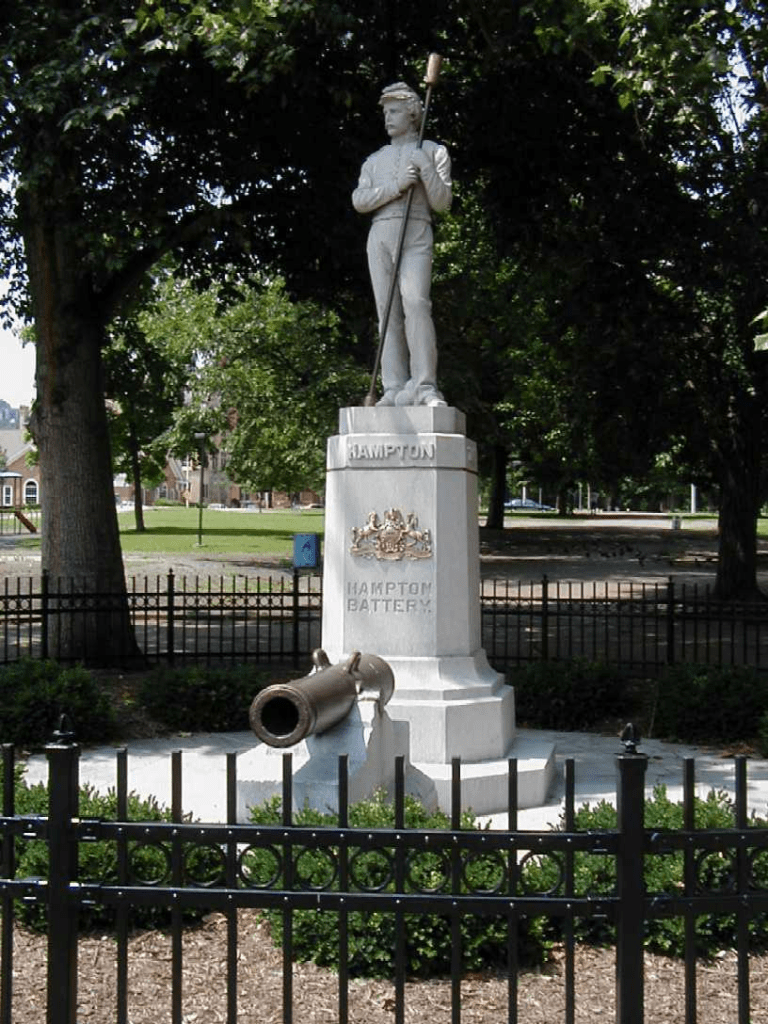
Among the names associated with this monument is Edward Ratchford Geary, whose story reveals how monuments sometimes honor not only those who served in a unit, but those the unit claimed as its own.
Hampton’s Independent Battery
Organized in Pittsburgh October 8, 1861 under Captain William F. Hampton, Hampton’s Battery served initially with the Union Army in the Shenandoah Valley. Like many artillery units, it endured long periods of hard campaigning punctuated by moments of sudden, violent action.
The battery saw service in major engagements including:
- Winchester
- Second Bull Run
- South Mountain
- Antietam
- Chancellorsville
- Gettysburg
- Mortons Ford
Artillerymen operated under constant exposure – serving guns in open fields, directing fire amid smoke and confusion, and becoming priority targets for enemy infantry and sharpshooters.
Edward Ratchford Geary
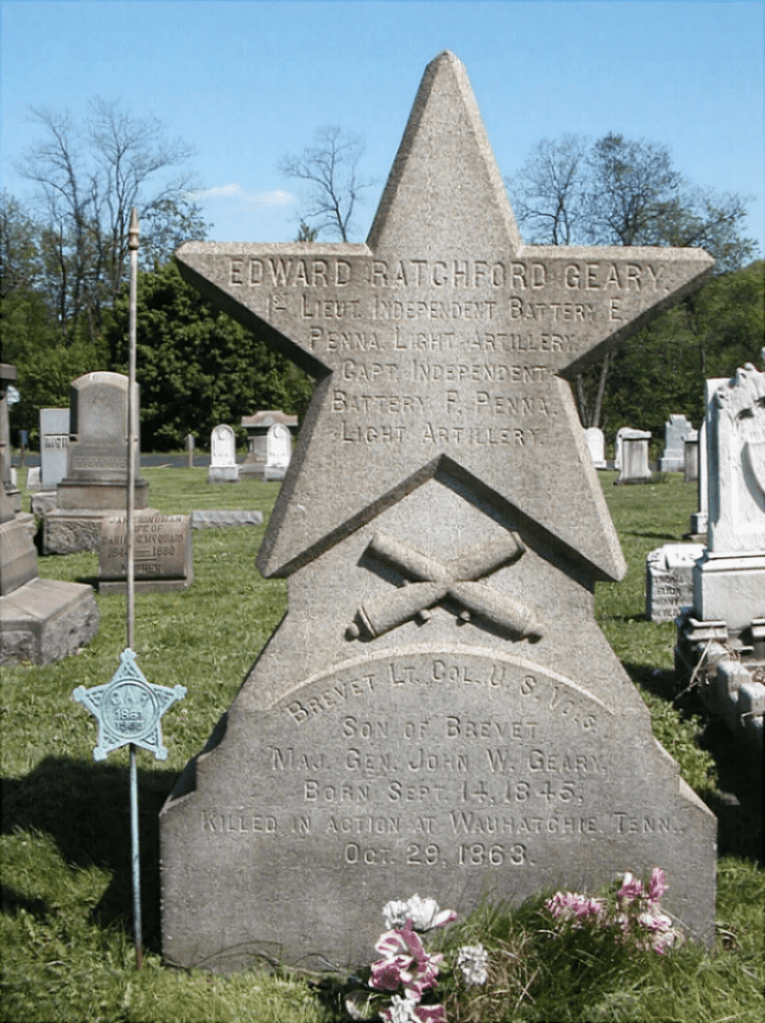
Edward Ratchford Geary, born September 14, 1845, was the son of John W. Geary, a prominent Union general and future Governor of Pennsylvania. Despite his father’s rank and reputation, Edward did not seek a sheltered path. He entered active service as a young artillery officer, determined to earn distinction on his own merits.
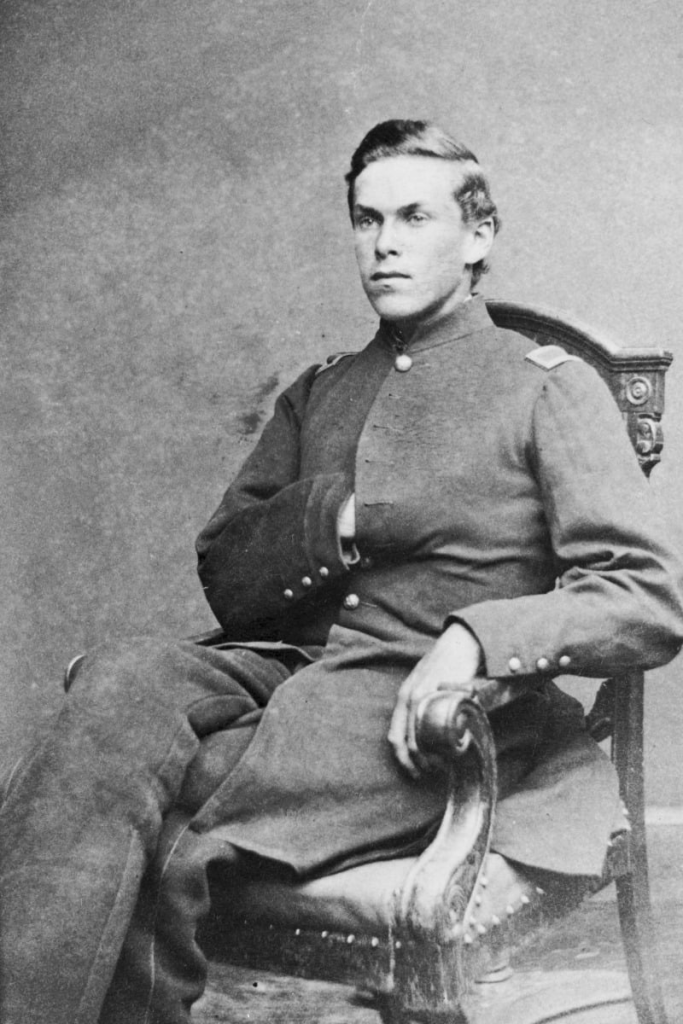
By 1863, Edward had developed a reputation as capable, conscientious, and composed under pressure – qualities especially vital in artillery service, where errors could prove catastrophic.
Death at Wauhatchie
Edward Geary was killed during the Battle of Wauhatchie, fought in the early morning hours of October 29, 1863, in Lookout Valley, Tennessee. Wauhatchie was one of the Civil War’s rare night battles, marked by darkness, confusion, and close-range fighting.
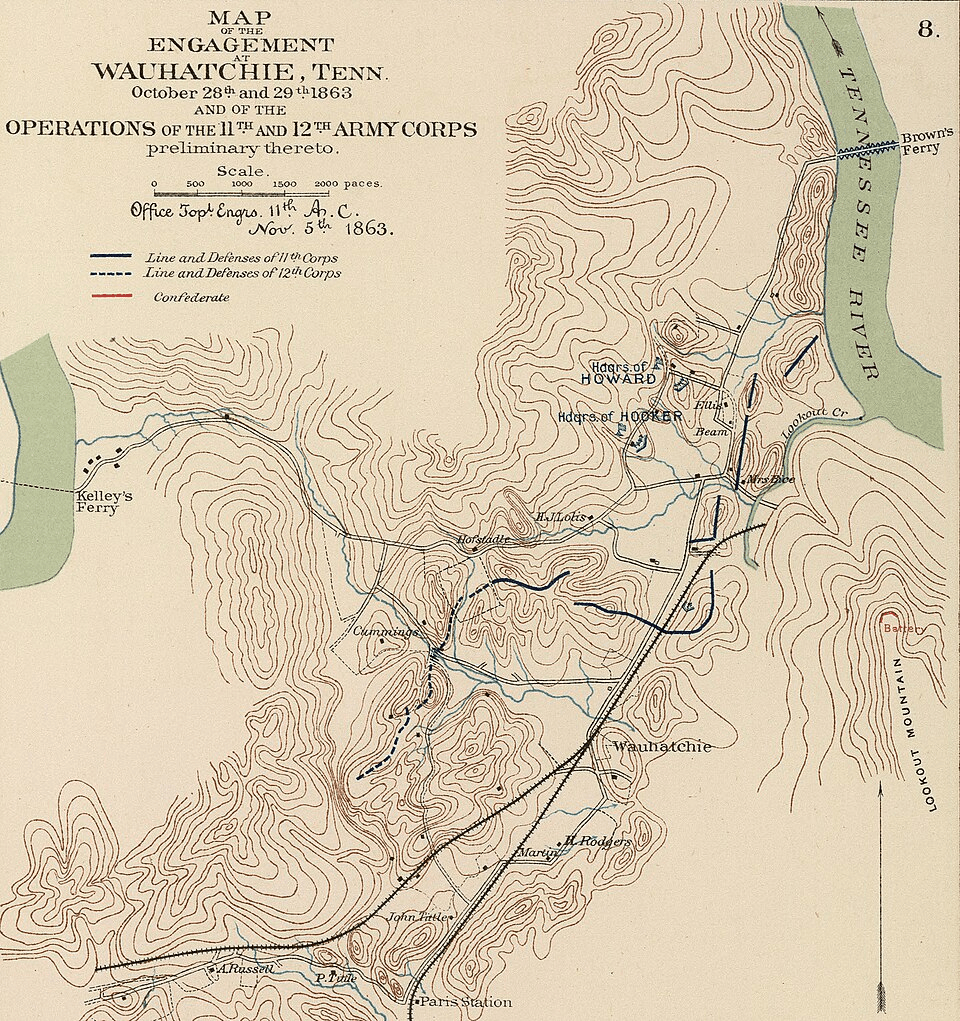
During the engagement, Edward was actively directing artillery fire. After correcting a dangerous firing error in the darkness, he resumed sighting his gun. At that moment, a minié ball struck him squarely in the head, killing him instantly.
He was just 18 years old.
There was no lingering death, no final words – only a sudden and irrevocable end to a life that many believed had barely begun.
Hampton’s Battery and a Chosen Officer
At the time of his death, Edward Geary was not yet formally mustered into Hampton’s Battery. However, the men of the battery had unanimously elected him as their captain, and his commission – dated October 20, 1863 – had been issued and forwarded to his father.
According to battery history, John W. Geary reportedly had the commission in his pocket when his son was killed.
Because Edward died before officially assuming command, his name does not appear on Hampton’s Battery muster rolls. Yet the men of the battery made a deliberate choice: they inscribed Edward Geary’s name on their monument anyway.
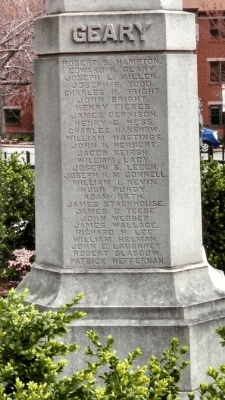
This act transformed the monument from a simple roster of service into a statement of belonging. Edward Geary was not remembered because regulations demanded it, but because the men believed he should have stood among them.
A Father’s Loss, A Community’s Memory
For John W. Geary – seasoned by war, command, and public service – the death of his son was a deeply personal tragedy. Like countless fathers of the Civil War era, his rank offered no protection from grief.
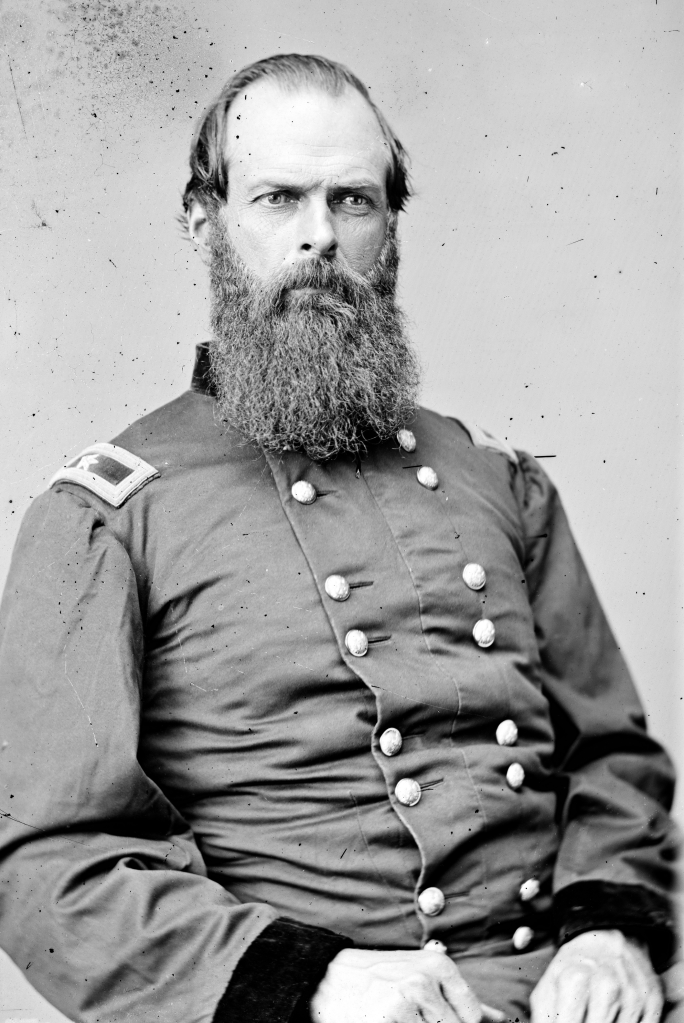
The Hampton Battery Monument stands as a place where that grief became part of the public landscape. It reflects a truth often overlooked in military history: that the consequences of war extended far beyond the battlefield, shaping families, communities, and memory itself.
Meaning and Legacy
The Hampton Battery Monument matters not because of its scale, but because of its intent. Through Edward Geary’s story, it reminds us that:
- Units remembered those they lost – and those they nearly gained
- Youth and promise were among the war’s greatest casualties
- Monuments often preserve decisions made by veterans, not bureaucracies
Edward Geary’s name on this monument is not merely commemorative – it is declarative. It says: he belonged to us.
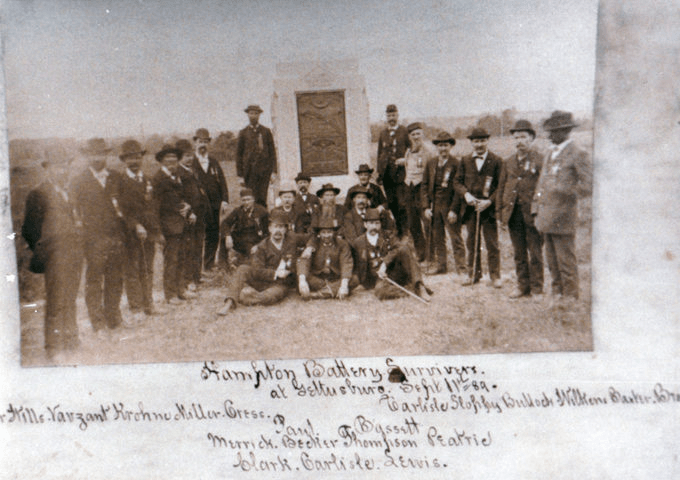
Visiting the Monument Today
Located in Allegheny Center, the Hampton Battery Monument remains embedded in the everyday life of Pittsburgh’s North Side. It is easily passed, yet rich with meaning for those who pause to read and reflect.
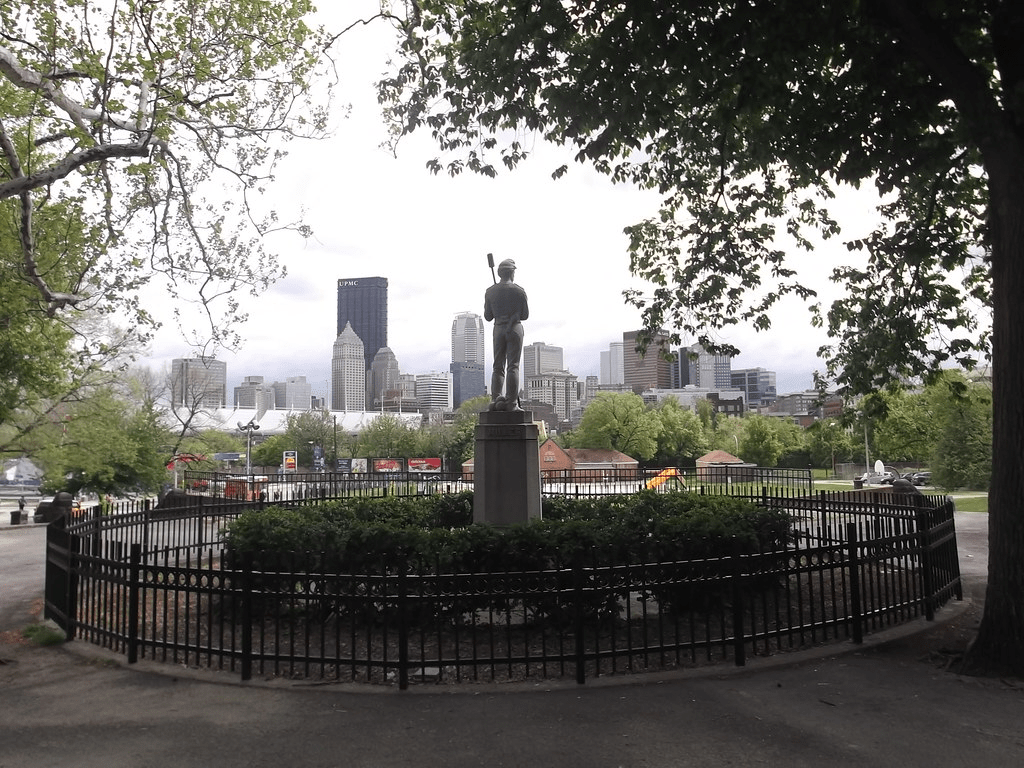
In the quiet space it occupies, the monument continues to do what its builders intended – keep alive the memory of lives interrupted, and of comrades who refused to let those lives be forgotten.
Sources
- Bates, Samuel P. History of the Pennsylvania Volunteers, 1861–1865. Harrisburg: B. Singerly, 1869–1871. Available via Internet Archive.
- Pennsylvania Adjutant General’s Office. Report of the Adjutant General of the State of Pennsylvania. Harrisburg, various volumes.
- History of Hampton Battery F, Pennsylvania Artillery. Internet Archive.
- Emerging Civil War. “‘Cut Down in the Bud of His Usefulness’: Edward Ratchford Geary at Wauhatchie.”
- Historic Pittsburgh (University of Pittsburgh), monument and Civil War collections.
 So Nobly Advanced
Leave a comment