
Jacob B. Sweitzer was born on July 4, 1821, in Fayette County, Pennsylvania, and came of age in a state whose political culture placed deep emphasis on law, civic responsibility, and constitutional order. He was educated at Jefferson College, graduating in 1843, and entered the legal profession at a time when lawyers frequently served as public figures and guardians of civic norms.
By the 1850s, Sweitzer was practicing law in Pittsburgh and had achieved notable professional standing. His career reflected the ambitions of a growing industrial city whose educated class viewed public service as a natural extension of private success. When the sectional crisis gave way to armed rebellion, Sweitzer – like many Northern lawyers – understood the war as a direct threat to the constitutional framework he had sworn to uphold.
From Civilian to Soldier: The 62nd Pennsylvania Volunteers
At the outbreak of the Civil War, Sweitzer joined the Allegheny County Home Guards and soon entered Federal service with the 62nd Pennsylvania Volunteer Infantry, a regiment raised largely from western Pennsylvania communities. He was commissioned major in July 1861, promoted to lieutenant colonel later that year, and elevated to colonel in June 1862.
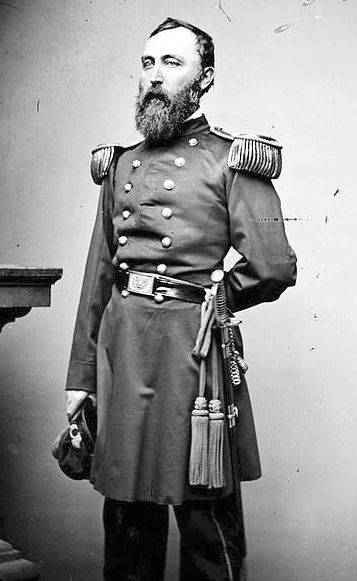
His early service was marked by hardship and sacrifice. At the Battle of Gaines’ Mill during the Peninsula Campaign, Sweitzer was wounded and captured, enduring confinement in Libby Prison before being exchanged and returning to duty in August 1862. Upon his return, he resumed command of the 62nd Pennsylvania, leading the regiment through the difficult campaigns that followed.
By 1863, Sweitzer’s experience and steadiness under pressure had earned him brigade command in the V Corps, Army of the Potomac.
Gettysburg: July 2, 1863 – The Wheatfield
Jacob B. Sweitzer’s defining combat experience occurred not on the first day at Gettysburg, but on July 2, 1863, when the Union V Corps arrived after a punishing march from Maryland. Rushed into action to reinforce the endangered Union left, the corps was thrown piecemeal into one of the most chaotic sectors of the battlefield.
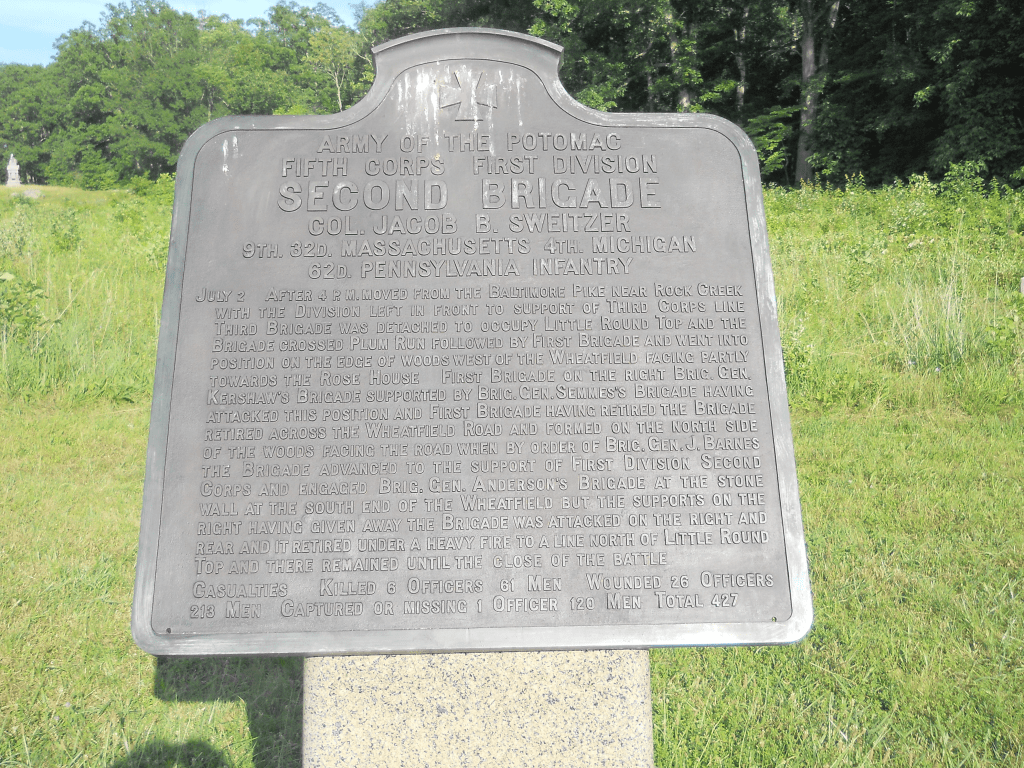
Sweitzer commanded the 2nd Brigade, 1st Division, V Corps, temporarily under Brig. Gen. James Barnes. As Barnes’s division moved south of the town, it split its strength. One brigade, under Col. Strong Vincent, went to defend Little Round Top. Sweitzer’s brigade, along with that of Col. William S. Tilton, went directly to the unstable ground known as the Wheatfield
The two brigades were deployed at an awkward perpendicular angle, a formation that left both exposed to overlapping Confederate attacks. Under increasing pressure, Barnes ordered Sweitzer’s brigade to withdraw from its advanced position – an order Sweitzer later described as peremptory. Yet the crisis did not end there.

Sweitzer’s brigade was soon sent back into the Wheatfield, re-entering a landscape already churned by artillery and musket fire. There, the brigade was struck on its flank by Confederate forces advancing aggressively through the broken terrain. During this fighting, Col. Harrison Jeffords of the 4th Michigan Infantry was mortally wounded while attempting to save his regiment’s colors, a moment that captured the desperate, close-range nature of the combat.
Of Sweitzer’s four assigned regiments, only three were present in the Wheatfield – the 9th Massachusetts Infantry was detached elsewhere. The losses were catastrophic. Sweitzer reported 466 casualties out of 1,010 men engaged, a staggering toll that reflected the Wheatfield’s reputation as one of the bloodiest zones of the battle.
Forced back toward north-end of Little Round Top, the brigade held position there for the remainder of the engagement. Though battered, it later participated in the pursuit of the retreating Confederate army, its ranks permanently thinned by the violence of July 2.
The 62nd Pennsylvania at Gettysburg
At the center of Sweitzer’s story stood the 62nd Pennsylvania Volunteer Infantry, the regiment with which he entered the war and to which his military identity remained closely bound. Composed largely of men from Pittsburgh and surrounding counties, the regiment carried western Pennsylvania directly into the Wheatfield’s chaos.

Fighting under Sweitzer’s brigade command, the 62nd endured intense musketry and artillery fire amid repeated advances and withdrawals. Like its sister regiments, it faced enfilading attacks and sudden shifts in the line as Confederate forces pressed in from multiple directions. The regiment’s losses mirrored the brigade’s experience – heavy, disorganizing, and permanent.
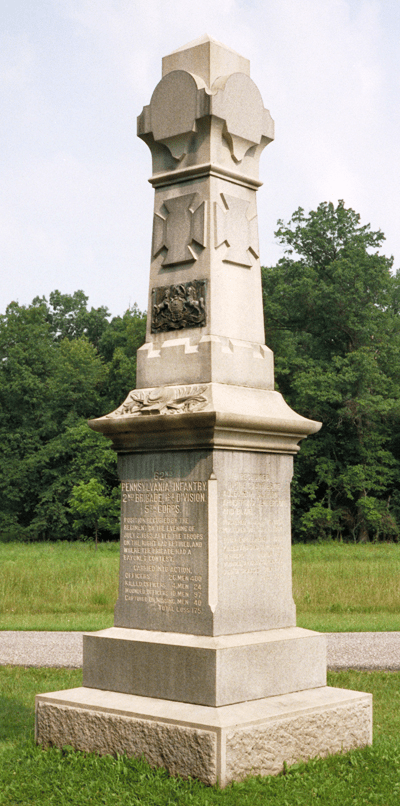
For families back home, Gettysburg was not merely a turning point in the war. It was the place where neighbors fell, officers were killed beside their men, and familiar regimental names were forever altered by casualty lists.
After Gettysburg: Bristoe, Mine Run, and the Long War
Sweitzer retained command of his brigade through the autumn of 1863, leading it during the Bristoe Campaign and the Mine Run Campaign in northern Virginia. These operations lacked the dramatic clarity of Gettysburg but tested the Army of the Potomac in different ways – long marches, difficult terrain, supply strain, and the grinding uncertainty of maneuver warfare.
At Mine Run, Union forces probed entrenched Confederate positions under harsh weather conditions, ultimately withdrawing rather than launching a costly frontal assault. For brigade commanders like Sweitzer, these campaigns demanded discipline and restraint as much as courage, reinforcing the reality that the war would not be decided by a single victory.
Sweitzer continued to serve until the later stages of the conflict, carrying the cumulative weight of command – losses absorbed, ground contested, and men led through an increasingly exhausted army.
Returning Home: Law, Public Service, and Civilian Life
When the war ended, Jacob B. Sweitzer returned to civilian life and resumed his legal career in western Pennsylvania. Like many Union officers, he transitioned from battlefield authority to professional responsibility, carrying the war’s memory into a society eager to rebuild yet still marked by loss.
Sweitzer remained active in legal and public affairs, representing the generation of veterans who shaped postwar civic life not through monument building alone, but through steady participation in institutions of law and governance. He did not seek public acclaim for his service; instead, his postwar years reflected a quieter form of contribution – work, stability, and presence within the community.
842 Beech Avenue: A Pittsburgh Landmark of Memory
In 1884, Sweitzer took up residence at 842 Beech Avenue in Allegheny City, now part of Pittsburgh’s Allegheny West neighborhood. He lived there until his death on November 9, 1888.
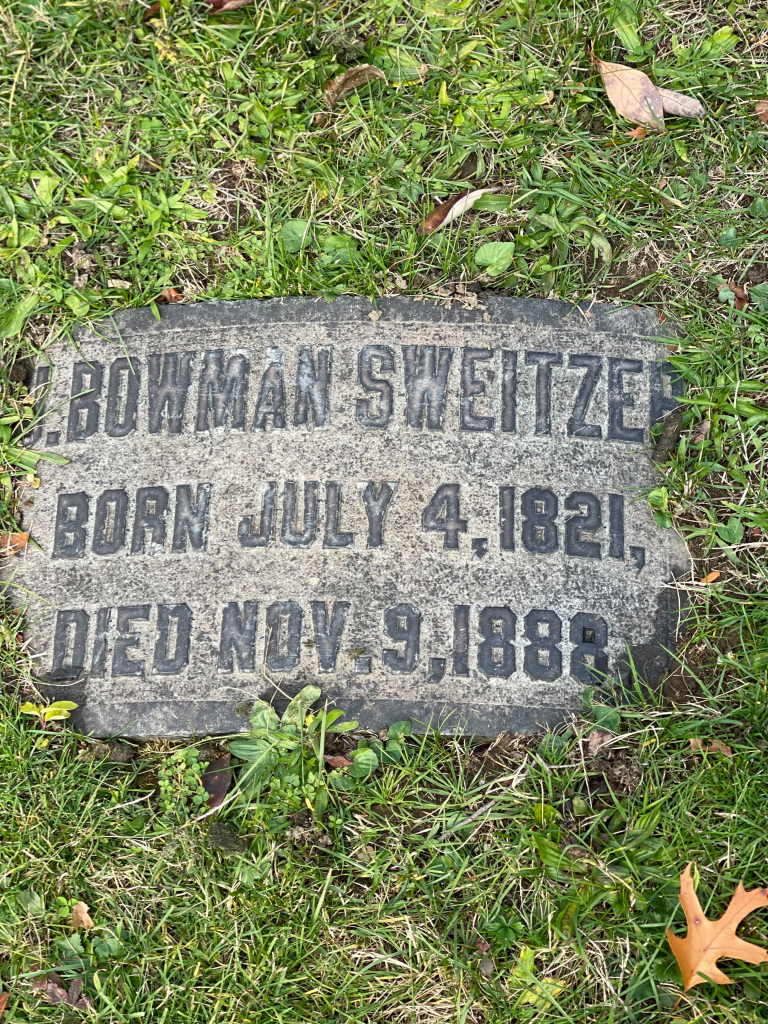
The house still stands today. Unlike monuments or battlefield markers, 842 Beech Avenue bears no plaque announcing its significance. Yet it remains one of Pittsburgh’s most authentic Civil War sites. It is the place where a man who led Pennsylvanians through the Wheatfield at Gettysburg lived his final years – where the war’s long arc concluded not in ceremony, but in ordinary domestic life.
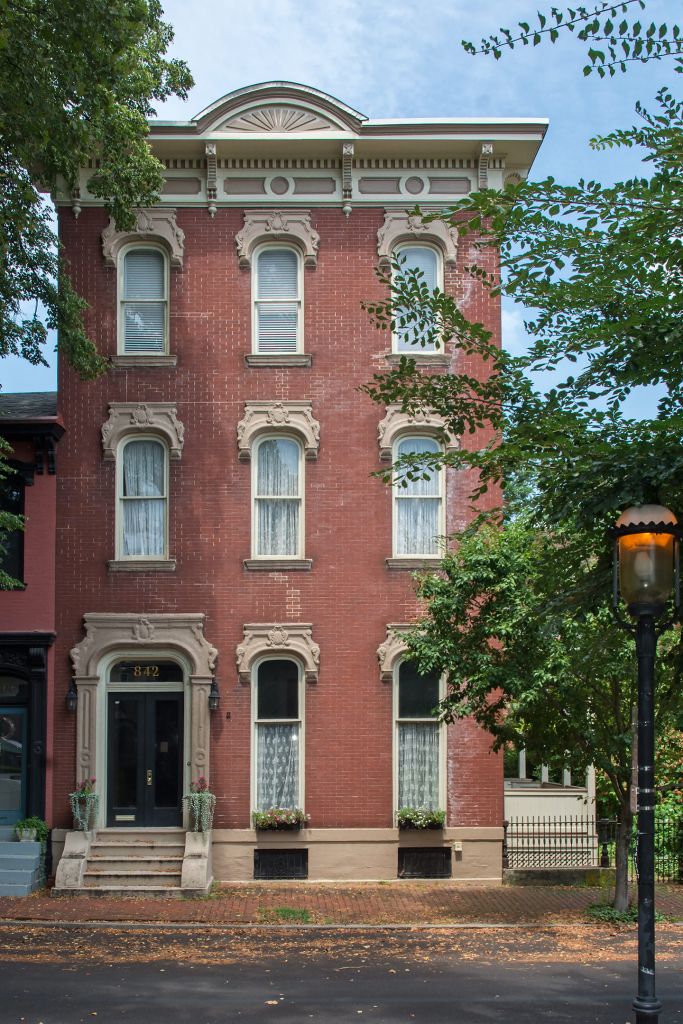
The survival of the house anchors national history to a single city block. It reminds us that the Civil War did not end at Appomattox for those who fought it. It followed them home, quietly shaping the streets, neighborhoods, and lives of cities like Pittsburgh.
Jacob B. Sweitzer’s life traces the path of the citizen-soldier: educated, professionally established, drawn into war by conviction, tested by catastrophe, and returned to build a civilian life shaped by service. His command of the 62nd Pennsylvania and his brigade’s sacrifice in the Wheatfield place him firmly within Gettysburg’s most violent fighting. His residence at 842 Beech Avenue places that history unmistakably in Pittsburgh.
Today, the house remains – a silent beacon of duty fulfilled, sacrifice endured, and a life that carried the war home.
Sources:
- Antietam on the Web – Jacob Bowman Sweitzer https://antietam.aotw.org/officers.php?officer_id=383
- Find a Grave – Jacob Bowman Sweitzer https://www.findagrave.com/memorial/12144574/jacob_bowman-sweitzer
- Wikipedia – Jacob B. Sweitzer https://en.wikipedia.org/wiki/Jacob_B._Sweitzer
- Stone Sentinels – 2nd Brigade, 1st Division, V Corps https://gettysburg.stonesentinels.com/union-headquarters/2nd-brigade-1st-division-5th-corps/
- Civil War in the East – 62nd Pennsylvania Infantry https://civilwarintheeast.com/us-regiments-batteries/pennsylvania/62nd-pennsylvania-infantry/
- Historic Pittsburgh (University of Pittsburgh) – 842 Beech Avenue https://historicpittsburgh.org/islandora/object/pitt%3A31735047448612/pages
- Allegheny West – 842 Beech Avenue House History https://alleghenywest.org/project/842-beech-avenue/
 So Nobly Advanced
Leave a comment