
By the spring of 1865, the United States had become a republic of graves.
Wooden markers leaned over shallow trenches while work crews still moved among battlefields gathering the dead. Families searched casualty lists for familiar names, often receiving only fragments of information – a hurried burial location, a letter from a surviving comrade, or a name printed in a newspaper column hundreds of miles from home.
The war had preserved the Union but it had also left the nation surrounded by its own dead.
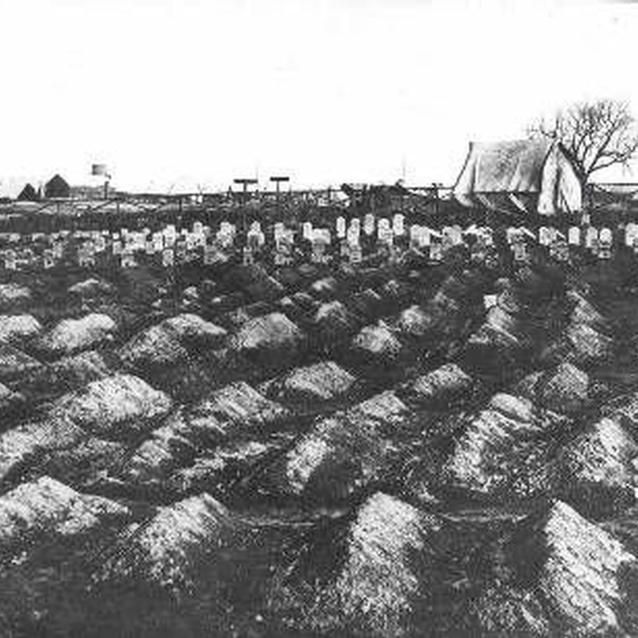
Hundreds of thousands of Americans died during the Civil War, making it the deadliest conflict in the nation’s history.
Unlike later wars fought overseas, the Civil War unfolded directly across American soil. The dead remained physically present. Shallow graves dotted battlefields, while unidentified remains lay beneath farms, forests, roadsides, and fields that had only recently been transformed into killing grounds. At places like Gettysburg, Antietam, Shiloh, and Cold Harbor, the landscape itself became inseparable from loss and preservation alike.
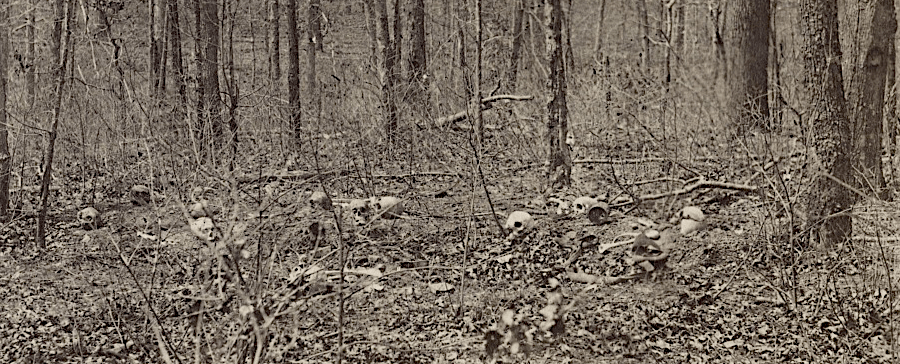
The country faced not merely a military aftermath, but a civic and psychological one. How could Americans absorb such catastrophic loss without allowing it to disappear into abstraction? How could a democratic nation ensure that the cost of its survival remained visible once the generation that fought the war was gone?
Out of these postwar realities emerged the rituals that became Decoration Day.
It was not created as a generic patriotic holiday. It emerged because the Civil War produced a scale of death that demanded public, national, and recurring forms of civic mourning.
Gettysburg and the Consecration of National Ground
Few places shaped the meaning of postwar mourning more profoundly than Gettysburg National Cemetery.
In the months following the battle, the dead still lay scattered and hastily buried where they had fallen. The creation of the Soldiers’ National Cemetery represented more than practical necessity. It reflected a growing belief that the Union dead belonged not only to their families, but to the nation itself. Gettysburg consequently became one of the country’s defining landscapes of public mourning.
On November 19, 1863, Abraham Lincoln stood among fresh graves during the cemetery’s dedication ceremony and delivered what became the defining philosophical statement of Civil War sacrifice.
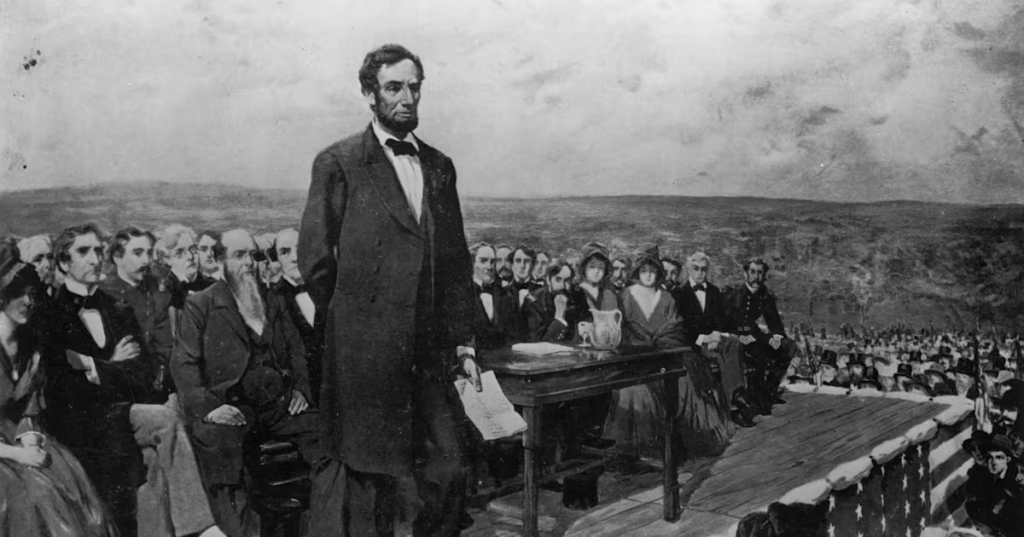
The Gettysburg Address did not dwell primarily upon the dead themselves. Instead, Lincoln focused on obligation:
“…[W]e can not dedicate – we can not consecrate – we can not hallow this ground. The brave men, living and dead, who struggled here, have consecrated it, far above our poor power to add or detract. The world will little note, nor long remember what we say here, but it can never forget what they did here. It is for us the living, rather, to be dedicated here to the unfinished work which they who fought here have thus far so nobly advanced. It is rather for us to be here dedicated to the great task remaining before us-that from these honored dead we take increased devotion to that cause for which they gave the last full measure of devotion-that we here highly resolve that these dead shall not have died in vain….”
Lincoln understood that the war’s dead could not merely be mourned privately. Their deaths had become inseparable from the future of the Union itself.
That idea would become central to Decoration Day.
The emerging rituals of postwar mourning were not simply acts of grief. They were attempts to ensure that sacrifice remained visible long after those who experienced the war firsthand had disappeared. Decoration Day therefore represented an attempt to solve a uniquely democratic problem: how a free people preserves the meaning of sacrifice once those who made it are gone.
The Origins of Decoration Day
In the immediate aftermath of the war, communities across the country began organizing ceremonies to honor fallen soldiers. Graves were cleaned and decorated with flowers, churches held memorial services, and former soldiers gathered beside fallen comrades. Local associations, veterans’ groups, churches, and community members preserved cemeteries and organized acts of mourning across the postwar landscape. The impulse emerged organically because the emotional need existed everywhere.
One of the most important early observances occurred in Charleston, South Carolina, on May 1, 1865.
There, recently freed African Americans gathered at the former Washington Race Course, where Union prisoners of war had died in Confederate captivity. Black Charlestonians had helped exhume and properly rebury the dead, enclosed the burial ground, and organized a large public ceremony involving procession, flowers, hymns, prayer, and commemoration.
Historian David W. Blight has identified the event as one of the earliest large-scale postwar commemorative ceremonies connected to Union dead. While historians continue to debate the precise institutional relationship between such early observances and the later national Memorial Day tradition, the Charleston ceremony revealed how quickly Americans – particularly newly freed African Americans – linked burial, Union sacrifice, emancipation, and civic mourning after the war.
The dead were not honored in abstraction. They were honored as men who had died in a conflict whose outcome determined the future of the United States.
Logan’s General Order and the Nationalization of Decoration Day
By 1868, these scattered local observances increasingly gave way to something national.
That year, John A. Logan transformed these local practices into a formal national observance for Union veterans.
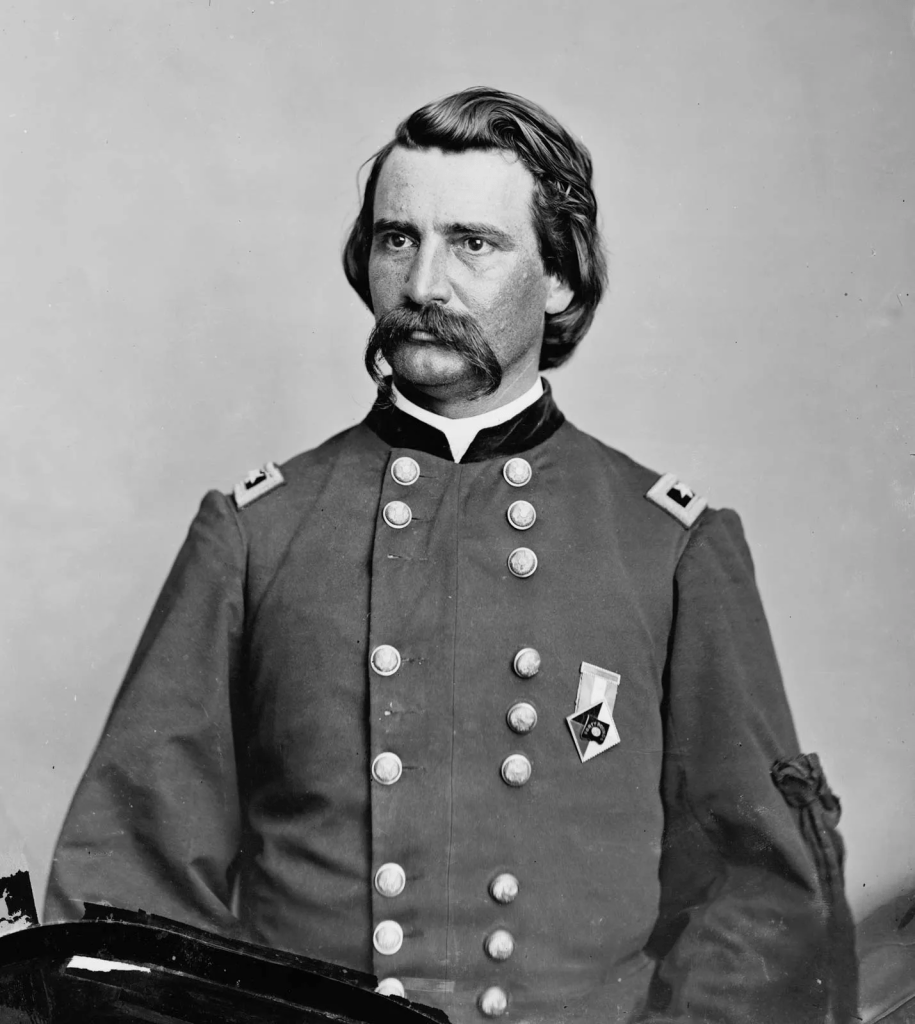
On May 5, 1868, Logan issued General Orders No. 11 on behalf of the Grand Army of the Republic, designating May 30 as a day for decorating the graves of “comrades who died in defense of their country during the late rebellion.”
The language of the order reveals the original purpose of Decoration Day with striking clarity. Logan wrote, “We should guard their graves with sacred vigilance.”
He continued:
“All that the consecrated wealth and taste of the nation can add to their adornment and security is but a fitting tribute to the memory of her slain defenders. Let no wanton foot tread rudely on such hallowed grounds. Let pleasant paths invite the coming and going of reverent visitors and fond mourners. Let no vandalism of avarice or neglect, no ravages of time, testify to the present or to the coming generations that we have forgotten, as a people, the cost of a free and undivided republic.”
Decoration Day was therefore not created merely as a sentimental observance. It emerged as a recurring civic ritual intended to preserve historical seriousness across generations.
Every year the ceremonies returned.
Flowers faded. Veterans aged. Graves weathered beneath rain and winter. Yet each spring the nation gathered again among its dead.
The flowers, processions, speeches, flags, and cemeteries mattered because they transformed sacrifice into something publicly visible and collectively carried forward year after year. Mourning fades naturally with time. Decoration Day resisted that erosion deliberately.
Arlington and the First National Decoration Day
The first official national Decoration Day observance took place at Arlington National Cemetery on May 30, 1868. More than 5,000 people attended, and before flowers were placed upon the graves, the crowd heard remarks from former Union general and Congressman James A. Garfield.
The setting itself carried extraordinary symbolism. Arlington had once been the estate of Confederate General Robert E. Lee.
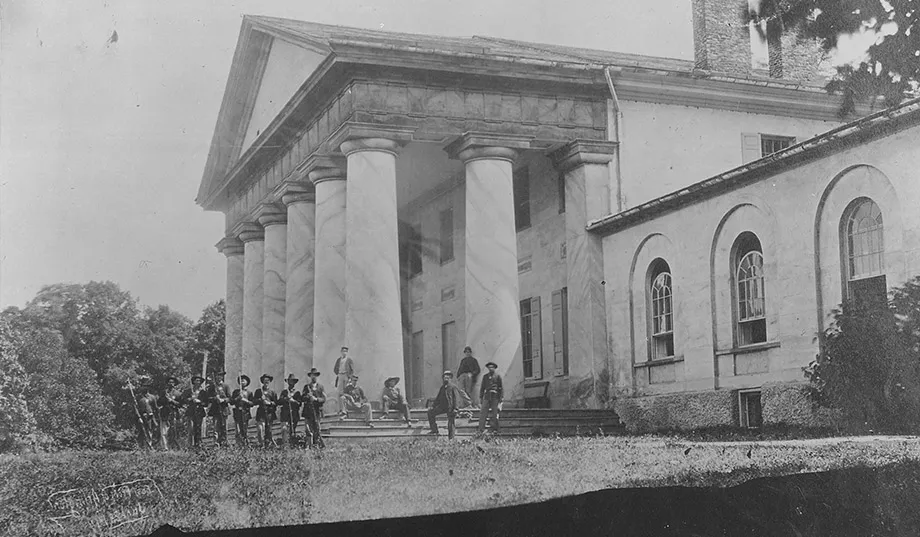
By 1868, it had become primarily a cemetery for Union dead, though some Confederate burials were also present there by that time. The landscape had been transformed from private plantation into national burial ground.
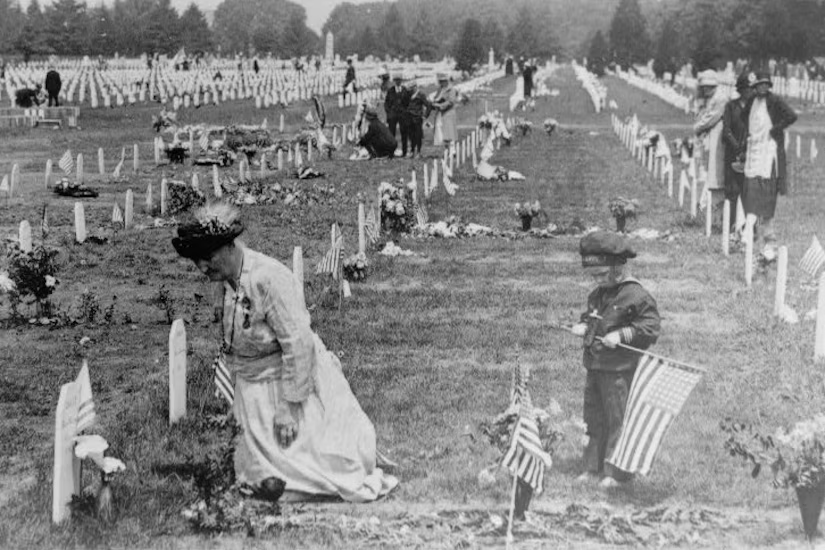
Children from the Soldiers’ and Sailors’ Orphans Home moved quietly among the graves carrying baskets of spring flowers. Row by row, they scattered blossoms across burial sites belonging to men many of them had never known.
Veterans stood nearby as the ceremony unfolded across the former estate of Robert E. Lee and the scene captured something larger than mourning alone.
The country was teaching the next generation how to live beside sacrifice.
The war’s dead belonged not only to the generation that fought beside them, but to the generations that would inherit the Union afterward.
The Battle Over What the War Meant
Yet postwar commemoration was never entirely unified.
Decoration Day initially emerged primarily as a Union observance centered upon Union sacrifice. Former Confederates and southern memorial associations developed separate commemorative traditions in the years following the war. More broadly, Americans disagreed profoundly about what meaning should be attached to the conflict itself.
Would Decoration Day preserve the war’s relationship to Union, slavery, emancipation, and rebellion? Or would reconciliation gradually soften those realities into a more comfortable narrative centered only upon shared valor?
Frederick Douglass recognized this danger clearly.
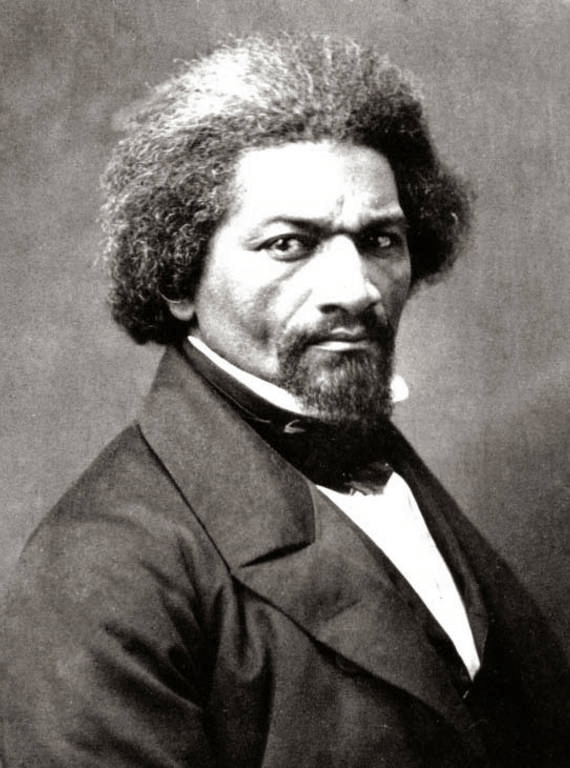
Speaking at Arlington National Cemetery on Decoration Day in 1871, Douglass warned Americans against separating courage from cause:
“We are sometimes asked in the name of patriotism to forget the merits of this fearful struggle, and to remember with equal admiration those who struck at the nation’s life, and those who struck to save it—those who fought for slavery and those who fought for liberty and justice.”
He then stated with unmistakable clarity:
“…[M]ay my right hand forget its cunning, and my tongue cleave to the roof of my mouth, if I forget the difference between the parties to that terrible, protracted and bloody conflict.”
Douglass understood that Decoration Day was not merely about honoring the dead. It was also about preserving the meaning attached to their deaths.
He feared that sentimental reconciliation might honor battlefield courage while obscuring the central political and moral realities of the war itself. Ceremony alone was insufficient. A nation might preserve monuments while gradually losing sight of what the war had actually been fought over.
Douglass continued:
“The essence and significance of our devotions here to-day are not to be found in the fact that the men whose remains fill these graves were brave in battle. If we met simply to show our sense of the worth of bravery, we should find enough to kindle admiration on both sides. In the raging storm of fire and blood, in the fierce torrent of shot and shell, of sword and bayonet, whether on horse or foot, unflinching courage marked the rebel not less than the loyal soldier.
But we are not here to applaud manly courage only as it has been displayed in a noble cause. We must never forget that victory to the rebellion meant death to the republic. We must never forget that the loyal soldiers who rest beneath this sod flung themselves between the nation and the nation’s destroyers. If today, we have a country not boiling in an agony of blood like France; if now we have a united country no longer cursed by the hell-black system of human bondage; if the American name is no longer a bye word and a hissing to a mocking earth; if the star spangled banner floats only over free American citizens in every quarter of the land, and our country has before it a long and glorious career, of justice, liberty, and civilization, we are indebted to the unselfish devotion of the noble army who rest in these honored graves all round us.“
Decoration Day therefore carried an implicit responsibility: not merely to honor the fallen, but to preserve historical truth alongside them.
The Physical Ritual of Mourning
As the war receded further into the past, the physical rituals of Decoration Day became even more important.
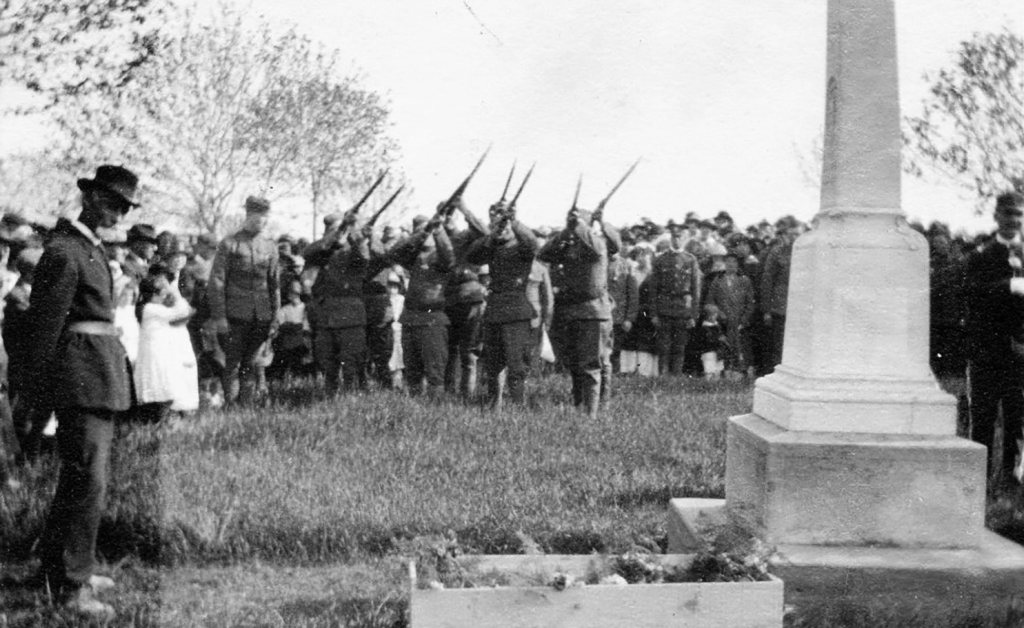
Hands placed flowers upon graves while flags moved through cemetery rows and bands marched through town streets. Former soldiers stood silently beside comrades who would never leave the battlefield.
These details mattered because grief itself had become national in scale. The war had produced too many dead for private mourning alone to sustain. Decoration Day transformed grief into civic ritual, while battlefields became pilgrimage sites and cemeteries became places of public mourning.
By the 1880s, the generation that fought the Civil War already understood that the conflict was beginning to pass from living experience into inherited history. Annual ceremonies connected younger Americans to losses they themselves had never witnessed directly. This was how the nation attempted to preserve continuity with the war’s dead long after the conflict itself had passed into history.
From Decoration Day to Memorial Day
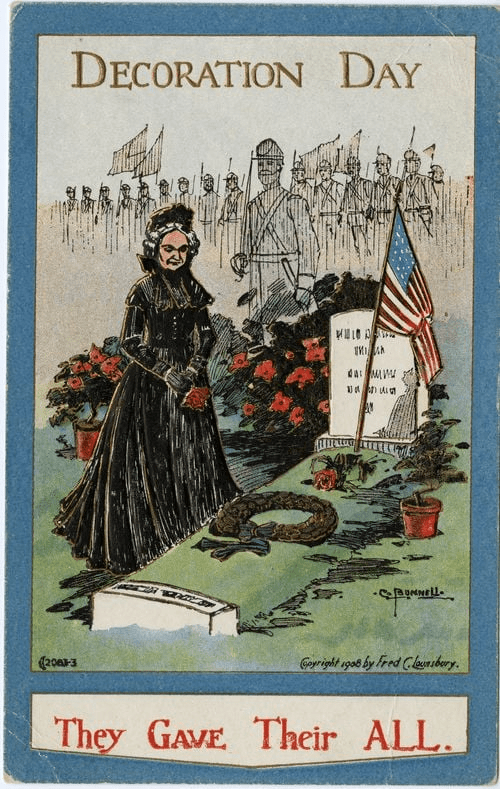
Over time, Decoration Day evolved.
As later American wars followed, the observance gradually expanded beyond the Civil War generation to honor Americans killed in all military conflicts. The name Memorial Day increasingly came into use alongside Decoration Day in the decades following the Civil War and eventually displaced it more broadly during the twentieth century. The Uniform Monday Holiday Act of 1968 – effective in 1971 – established Memorial Day as the last Monday in May.
By then, the country had changed enormously from the America that created Decoration Day after Appomattox.
The veterans of the Civil War disappeared, followed by their widows and then their children. What had once been immediate grief became inherited history.
Yet the observance endured because the questions created by the Civil War never fully disappeared. What obligations do the living inherit from the dead? What does a nation owe those who preserved it? What happens when countries grow distant from the cost of their own survival?
So Nobly Advanced
Today, the Civil War exists entirely beyond living memory.
No veterans remain. No widows remain. No parents who buried sons from Gettysburg, Antietam, or Shiloh remain alive to speak directly of what the war cost them.
But the ground remains. The cemeteries remain. The monuments remain.
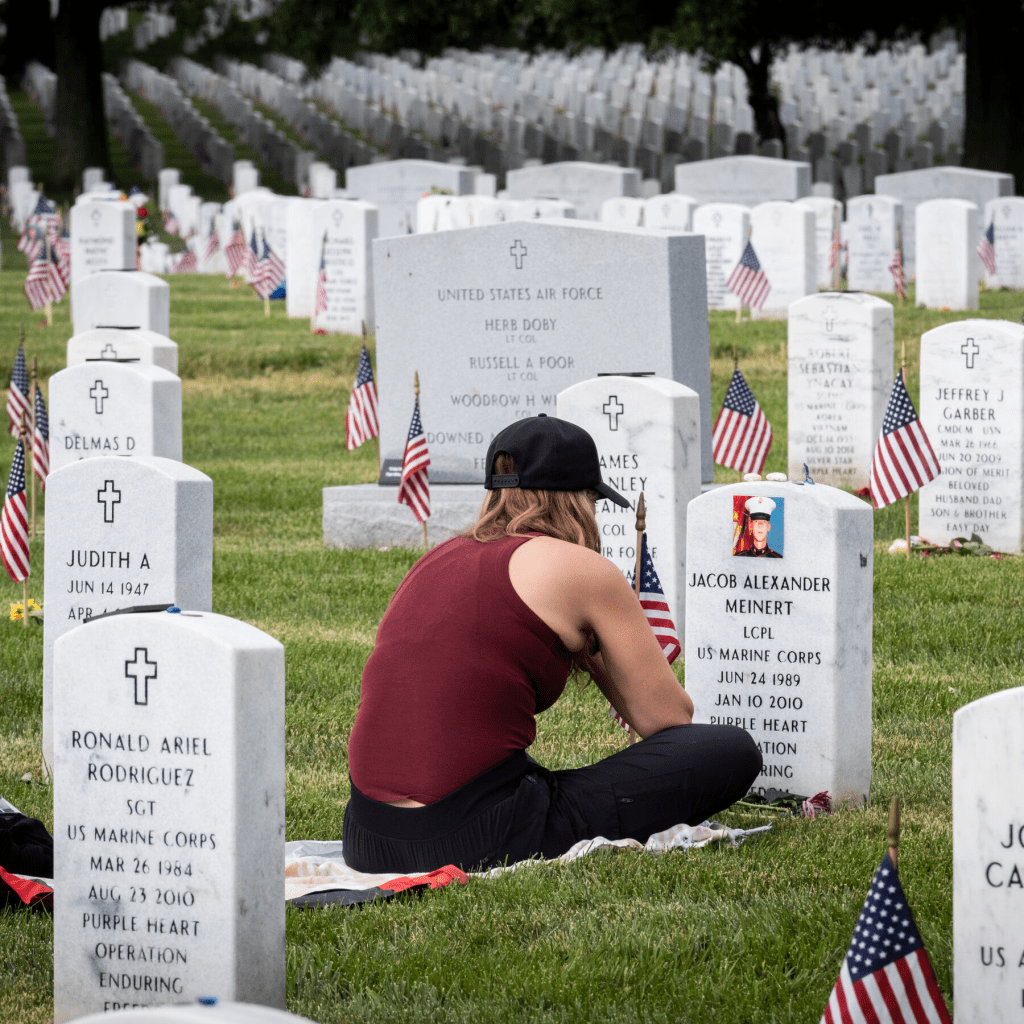
And each spring, flowers still appear among graves first consecrated by the Civil War generation.
Lincoln confronted the meaning of sacrifice at Gettysburg. Logan confronted it in General Orders No. 11. Douglass confronted it at Arlington. The freedpeople of Charleston confronted it when they gathered at the graves of Union soldiers in May 1865.
Each understood that nations are not sustained by ceremony alone. They endure only so long as later generations remain willing to take seriously the cost upon which the Union was preserved.
The dead no longer speak for themselves.
The living decide what their sacrifice will continue to mean.
Sources
- Gettysburg Address – Abraham Lincoln (National Park Service)
- General Orders No. 11 – John A. Logan, Grand Army of the Republic (National Cemetery Administration)
- Frederick Douglass, “The Unknown Loyal Dead” (1871)
- National Park Service – First Official National Decoration Day
- David W. Blight – The First Decoration Day


 So Nobly Advanced
Leave a comment